
South Florida · Broward County
Fort Lauderdale Real Estate Investments
The Ligon Group evaluates Fort Lauderdale real estate investments across a city where established residential neighborhoods, waterfront property, multifamily housing, redevelopment districts and flood-sensitive sites can require very different acquisition strategies.
In Fort Lauderdale, the building is only part of the asset. Water access, seawall condition, floodplain requirements, parcel zoning, neighborhood character and nearby development can materially affect what a property requires and how an investment should be structured.
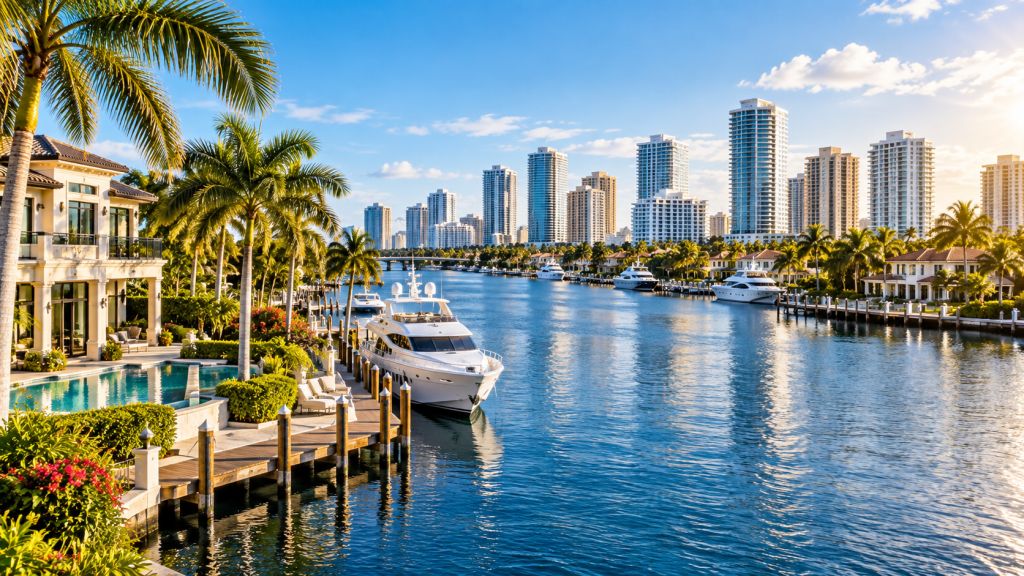
Waterways · Neighborhoods · Urban Growth
Fort Lauderdale Can Change From Waterfront Estate to Urban Residential Property Within a Short Distance.
Fort Lauderdale contains residential environments that operate very differently from one another. Canal-front homes with private seawalls, established inland neighborhoods, condominium and apartment buildings, downtown residential towers and properties near major redevelopment corridors all exist within the same municipal market.
Those differences affect more than pricing. Waterfront infrastructure can become part of the physical asset. Floodplain requirements can influence renovation. Older neighborhoods can present modernization opportunities. Downtown and corridor parcels can operate under development rules very different from nearby low-density residential areas.
The Ligon Group therefore evaluates Fort Lauderdale properties within their immediate physical and regulatory environment rather than treating the city as one uniform investment market.
Residential Market Structure
Four Property Environments Create Four Different Due-Diligence Priorities.
Property type and location determine which questions deserve the most attention before acquisition.
The Shoreline Can Be Part of the Asset.
Canal and waterfront properties may require review of seawalls, docks, tidal exposure, elevation and water-facing improvements in addition to the residence itself.
Existing Homes Can Carry Significant Improvement Potential.
Inland and non-waterfront neighborhoods can present residential opportunities involving older construction, modernization, deferred maintenance and major systems work without the additional waterfront infrastructure layer.
Building-Level Issues Extend Beyond One Dwelling Unit.
Multifamily and condominium properties can introduce shared systems, common areas, operating considerations and building-wide capital requirements that differ from detached residential acquisitions.
Development Context Can Change the Meaning of the Parcel.
Downtown, transit-oriented and mixed-use areas may support development intensity and property uses that differ substantially from Fort Lauderdale's established residential neighborhoods.
Waterfront Property Due Diligence
On a Waterfront Property, the House and the Water's Edge Belong in the Same Investment Analysis.
A waterfront view can add appeal while the infrastructure protecting that waterfront can add meaningful capital responsibility.
Fort Lauderdale maintains specific standards for seawalls and other tidal barriers. The city's resilience program addresses both publicly and privately owned seawalls because their elevation and physical condition influence tidal flooding and surrounding properties.
Under current city standards, certain events can require a seawall to be raised or brought into compliance, including construction of a new seawall, significant disrepair or specified tidal-flow violations affecting neighboring property or public right-of-way.
For acquisition purposes, that means seawall condition can be more than a maintenance issue. It can become part of the property's capital plan alongside roofing, electrical, plumbing, interiors and other residential improvements.
Property + Site + Capital
Waterfront Value Does Not Eliminate Waterfront Cost.
A Fort Lauderdale investment can look attractive at the structure level while requiring additional capital at the site level.
A renovated waterfront residence may still have aging seawall infrastructure. An older inland home may require substantially more building work but avoid that waterfront exposure. A multifamily property may shift the analysis toward shared systems and operations, while an urban parcel may derive part of its value from zoning and development context.
The Ligon Group evaluates the acquisition basis against the entire asset: building condition, property type, water and flood exposure when applicable, location, improvement scope, transaction circumstances and potential ownership strategy.
Floodplain + Resilience
In Fort Lauderdale, Flood Due Diligence Extends Beyond the FEMA Zone Label.
Flood exposure can involve elevation, stormwater, tidal conditions and the physical work proposed for the property.
Site Work Can Matter Even When It Is Not Building Construction.
Fort Lauderdale regulates development within floodplains through plan review, including construction, filling, grading and other work that can alter a site's natural elevation or drainage behavior.
High Water Can Occur Without a Hurricane.
Fort Lauderdale specifically plans for tidal flooding and king-tide conditions in addition to storm events, making water elevation and shoreline infrastructure relevant to certain residential properties.
Inland Drainage Is a Separate Property Consideration.
The city's Stormwater Master Plan identified particularly vulnerable neighborhoods and established infrastructure priorities, demonstrating that flood analysis is not limited to direct waterfront property.
Resilience Planning Is Part of the City's Long-Term Development Strategy.
Fort Lauderdale uses Adaptation Action Areas, stormwater planning and updated tidal-barrier standards to address locations vulnerable to coastal flooding and future sea-level conditions.
Parcel + Development Context
Fort Lauderdale's Development Rules Change With the Parcel and the District Around It.
The same city contains low-density residential streets, downtown character areas, mixed-use corridors and transit-oriented development environments.
Fort Lauderdale provides a parcel-level 3D zoning platform that combines property information with zoning regulations and development scenarios. The city's planning resources also identify separate master-planned areas including Downtown, Central Beach, the Northwest Regional Activity Center, South Andrews Avenue and Uptown.
Downtown planning additionally includes transit-oriented development standards intended to support a more compact, walkable mix of housing, employment, retail and transportation around premium transit.
For investment analysis, that means a property's present structure and its development context should be considered separately before determining whether the opportunity is primarily a renovation, an operating asset or a parcel with broader redevelopment implications.
Acquisition Through Ownership
A Complex Market Requires Property-Level Investment Decisions.
The Ligon Group connects market research with acquisition, renovation and actual residential real estate activity.
The Investment Begins With the Specific Asset.
Property type, physical condition, waterfront status, location and transaction circumstances can each affect the residential acquisition decision.
Residential Acquisitions →Site Conditions Can Matter as Much as Interior Condition.
Flood, seawall, zoning and parcel information can change the meaning of an otherwise straightforward renovation opportunity.
How We Evaluate Properties →Capital Planning Should Account for the Entire Property.
Renovation and repositioning can include building systems, layout, exterior improvements and property-specific site work identified during acquisition analysis.
Renovation & Repositioning →Real Properties Provide Evidence Beyond Market Commentary.
Portfolio and project material connects investment principles with residential assets The Ligon Group has acquired, improved, owned or operated.
Portfolio & Projects →Fort Lauderdale Real Estate FAQs
Direct Answers About Fort Lauderdale Real Estate Investments
Residential acquisition, waterfront, floodplain and property-level answers for Fort Lauderdale, Florida.
Does The Ligon Group invest in Fort Lauderdale real estate?
The Ligon Group evaluates residential acquisition opportunities in Fort Lauderdale as part of its Broward County and broader South Florida investment geography.
Why is waterfront property due diligence different in Fort Lauderdale?
Waterfront properties can include seawalls, docks, tidal exposure and elevation considerations in addition to the residence itself. Those elements can create separate maintenance, compliance and capital requirements.
Can a Fort Lauderdale seawall affect an investment property?
Yes. Seawall condition and elevation can affect property resilience and future capital requirements, and city standards can require upgrades under specified conditions.
Does floodplain regulation apply only to buildings in Fort Lauderdale?
No. The city regulates development within floodplains more broadly, including certain filling, grading and other site alterations that may affect natural elevation or drainage.
Can inland Fort Lauderdale properties have flood concerns?
Yes. Fort Lauderdale's flood and stormwater planning addresses both coastal and inland conditions. Property- specific flood, drainage and elevation information should be reviewed when relevant.
Does zoning vary significantly across Fort Lauderdale?
Yes. Fort Lauderdale includes numerous residential, commercial, mixed-use and regional activity districts in addition to downtown character areas and other planning overlays. Parcel-specific zoning should be verified.
Is Fort Lauderdale encouraging transit-oriented development?
Yes. Downtown planning includes transit-oriented development guidelines intended to support compact, walkable development near premium transit with a mix of residential, employment and commercial uses.
Can owners and real estate professionals submit Fort Lauderdale properties?
Yes. Owners, agents, brokers, attorneys, representatives and other professional sources can submit residential property opportunities to The Ligon Group for consideration.
Broward County Residential Markets
Compare Fort Lauderdale With Other Broward Investment Markets.
Broward's cities differ in waterfront exposure, housing stock, development form, municipal regulation and investment context.
Hollywood
Explore a coastal city where established neighborhoods, redevelopment districts, condominium property and shoreline conditions create their own investment dynamics.
Hollywood Real Estate →Pompano Beach
Explore residential property around an evolving coastal, downtown and transit-oriented market with its own redevelopment strategy.
Pompano Beach Real Estate →Plantation
Explore established residential neighborhoods and redevelopment conditions in a central Broward market with a development pattern distinct from the coast.
Plantation Real Estate →Davie
Explore a lower-density western Broward market where larger parcels, rural-influenced development patterns and local land-use conditions change the investment analysis.
Davie Real Estate →Fort Lauderdale Property Opportunities
Have a Residential Property in Fort Lauderdale?
Submit the property information currently available. The Ligon Group can evaluate the opportunity in the context of its physical condition, waterfront or inland location, flood and site conditions, zoning, transaction circumstances and potential investment strategy.