
South Florida · Miami-Dade County
Homestead Real Estate Investments
The Ligon Group evaluates Homestead real estate investments across a South Miami-Dade market where established residential neighborhoods, newer communities, redevelopment areas and changing development patterns can exist within the same city.
Property condition remains important, but Homestead can add another layer to the investment decision: how the individual parcel fits within its neighborhood, zoning, development capacity, flood context and the direction of surrounding growth.
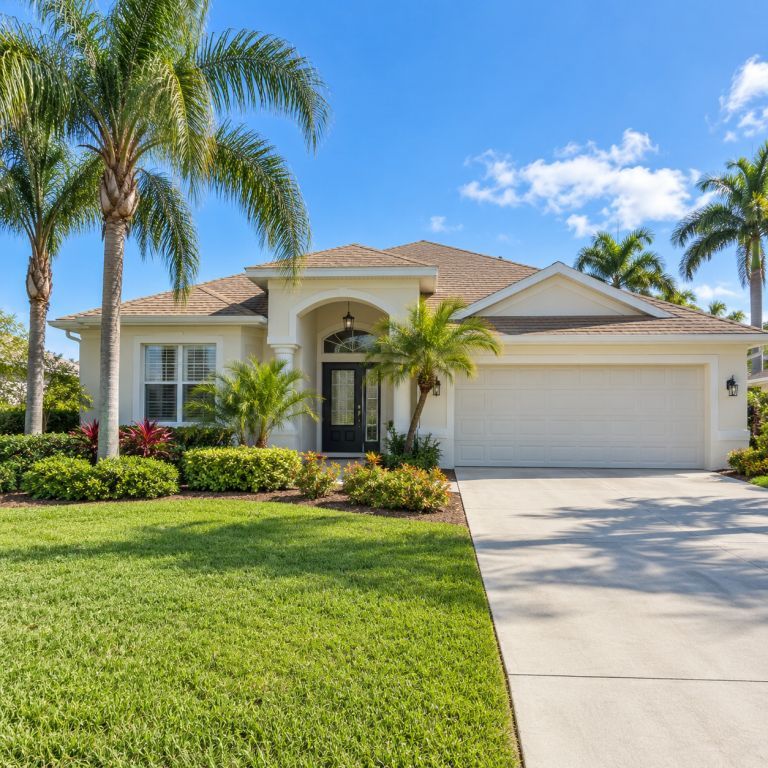
Established Neighborhoods · Growth · Redevelopment
Homestead Is Not One Residential Development Pattern.
Homestead contains older residential blocks, planned communities, newer construction, redevelopment areas and neighborhoods governed by different planning relationships. Those differences can materially change how an individual property should be evaluated.
A house in an established neighborhood may present an improvement and repositioning opportunity. A property in a newer development may require greater attention to community structure and ownership costs. A parcel within an area affected by redevelopment or specialized planning can introduce different land-use and future-development considerations.
The Ligon Group therefore evaluates the property within its immediate surroundings rather than relying on a single citywide assumption about Homestead residential real estate.
Residential Market Structure
Four Property Environments Can Produce Four Different Investment Decisions.
The property itself matters, but so does the residential environment surrounding it.
Existing Homes + Existing Fabric
Older residential areas may present opportunities involving renovation, modernization, deferred maintenance or repositioning while remaining closely tied to the character and configuration of the surrounding neighborhood.
Recent Housing + Planned Development
Newer residential areas can introduce different property characteristics, community structures and competitive inventory than Homestead's established housing stock.
Existing Property + Changing Surroundings
Historic Downtown and portions of the Southwest Community fall within Homestead's Community Redevelopment Area, creating a different context for properties located near reinvestment and revitalization activity.
Parcel Capacity + Future Growth
Properties near changing development patterns may require closer attention to zoning, future land use, site capacity and surrounding development rather than evaluation of the existing structure alone.
Parcel-Level Due Diligence
The Existing House Does Not Tell You Everything About the Site.
Homestead provides parcel-specific zoning and land-use tools because development potential can differ from one property to the next.
The city's interactive zoning platform combines zoning code, property information and map layers and can display the buildable capacity allowed for individual parcels. Its Future Land Use Map provides another layer by identifying the intended long-term land-use framework that zoning is expected to implement.
For an investor, that distinction matters. The current house, the current zoning and the broader land-use context answer different questions. They should be understood together before assumptions are made about renovation, expansion, replacement or longer-term property strategy.
Site Conditions + Improvement Scope
In Homestead, Renovation Scope Can Become a Floodplain Decision.
The cost and scale of proposed improvements can matter beyond the construction budget itself.
Homestead regulates development and improvements within its floodplain framework. The city states that new construction and substantially improved structures must meet elevation requirements tied to the applicable Base Flood Elevation.
The city defines substantial improvement around work whose cost reaches or exceeds fifty percent of the structure's pre-work market value. That means an aggressive renovation plan can create a different regulatory question from a smaller rehabilitation project.
For acquisition analysis, the lesson is practical: physical condition, flood context and renovation scope should be considered together before a project budget is treated as final.
Growth Is Not Uniform
New Development and Neighborhood Reinvestment Can Affect Different Properties Differently.
Homestead is simultaneously planning for new growth, neighborhood improvement, redevelopment and preservation of established community character.
Redevelopment Changes the Surrounding Context.
Homestead's Community Redevelopment Area includes Historic Downtown, where public and private reinvestment can make surrounding development activity relevant to property-level evaluation.
Neighborhood Planning Has Its Own Development Logic.
The Southwest Neighborhood uses a specialized master-plan framework designed around compact, pedestrian-friendly and mixed-use development rather than treating the area as a generic extension of citywide zoning.
Neighborhood Improvement Is Planned at a Local Scale.
Homestead maintains a separate Northwest Master Plan built around the strengths, challenges and long-term enhancement of that neighborhood.
Development Capacity Shapes the Future Supply Picture.
New residential development is reviewed through zoning, land-use, site-plan and infrastructure processes, making future supply and surrounding growth part of the broader Homestead investment environment.
Acquisition Strategy
A Good Homestead Deal Has to Work at Both the House Level and the Site Level.
Attractive physical condition or an attractive purchase basis cannot answer every investment question by themselves.
The Ligon Group evaluates residential opportunities by bringing together the asset, its immediate neighborhood, its parcel characteristics and the work required after acquisition.
That approach becomes particularly useful in Homestead because two residential properties can occupy very different positions within the city's growth story: established housing, redevelopment, planned development or newer expansion.
Experience + Evidence
Local Market Analysis Should Ultimately Lead Back to the Property.
Acquisition, renovation and portfolio activity provide the practical operating context behind The Ligon Group's residential investment decisions.
Residential Opportunities Are Evaluated Individually.
The acquisition process considers the property, condition, market, transaction circumstances and potential investment strategy rather than relying on geography alone.
Residential Acquisitions →Property Research Helps Define the Real Opportunity.
Site information, physical findings and local context can materially change how a residential acquisition should be underwritten and executed.
How We Evaluate Properties →Improvement Decisions Follow the Acquisition Analysis.
Renovation and repositioning connect the property's existing condition with the improvements required to support the intended investment strategy.
Renovation & Repositioning →Real Properties Provide Context Beyond Market Commentary.
Portfolio and project activity demonstrates how The Ligon Group's acquisition and property strategy connects to residential assets in practice.
Portfolio & Projects →Homestead Real Estate FAQs
Direct Answers About Homestead Real Estate Investments
Property-level answers about residential acquisition, development context and investment evaluation in Homestead.
Does The Ligon Group invest in Homestead real estate?
The Ligon Group evaluates residential acquisition opportunities in Homestead as part of its broader Miami-Dade County and South Florida investment geography.
What makes Homestead different from other Miami-Dade investment markets?
Homestead combines established neighborhoods, newer residential growth, redevelopment areas and parcel-specific development conditions within one city, making immediate property context particularly important.
Why does zoning matter for a Homestead investment property?
Zoning establishes parcel-specific development standards and permitted uses. Homestead also provides an interactive tool capable of showing zoning information and allowed buildable capacity at the parcel level.
What is the difference between zoning and future land use in Homestead?
Zoning establishes current development regulations, while the Future Land Use Map represents the city's broader long-term land-use framework. Both may be relevant when evaluating a property's context.
Does flood risk affect Homestead real estate investments?
It can. Flood-zone and elevation requirements can affect construction and substantial improvements, so flood context should be evaluated at the property level when relevant.
What is substantial improvement in Homestead?
Under the city's floodplain rules, work reaching at least fifty percent of the structure's pre-improvement market value can qualify as substantial improvement and trigger additional requirements.
Are parts of Homestead targeted for redevelopment?
Yes. Homestead's Community Redevelopment Area includes Historic Downtown and the Southwest Community, and the city maintains additional neighborhood and master-planning initiatives.
Can owners or real estate professionals submit Homestead properties?
Yes. Owners, agents, brokers, attorneys, representatives and other professional sources can submit residential property opportunities to The Ligon Group for consideration.
Miami-Dade Residential Markets
Compare Homestead With Other Miami-Dade Markets.
Each city presents a different combination of housing stock, municipal rules, neighborhood structure and investment conditions.
Miami
City of Miami properties can require close parcel-level review of zoning, planning overlays, redevelopment context and site-specific development controls.
Miami Real Estate →Hialeah
Hialeah places greater emphasis on existing improvement history, permitting, physical condition and how prior property changes affect future execution.
Hialeah Real Estate →Miami Gardens
Explore residential acquisition conditions and the property-level characteristics of one of northern Miami-Dade's major incorporated cities.
Miami Gardens Real Estate →North Miami
Explore residential properties within North Miami's own neighborhood, redevelopment, zoning and site context.
North Miami Real Estate →Homestead Property Opportunities
Have a Residential Property in Homestead?
Submit the information currently available. The Ligon Group can evaluate the property in the context of its condition, neighborhood, zoning, site characteristics, transaction circumstances and potential investment strategy.