
Space Coast · Brevard County
Melbourne Real Estate Investments
The Ligon Group evaluates Melbourne real estate investments across a Space Coast city where established residential neighborhoods, Historic Downtown, Olde Eau Gallie, the Indian River Lagoon and one of Brevard County's major aerospace and aviation employment centers create several distinct residential investment environments.
Melbourne property requires city-level analysis. Municipal zoning, redevelopment geography, historic designation, neighborhood context, airport and employment proximity, stormwater infrastructure, flood elevation and the physical condition of the individual asset can materially change the appropriate investment strategy.
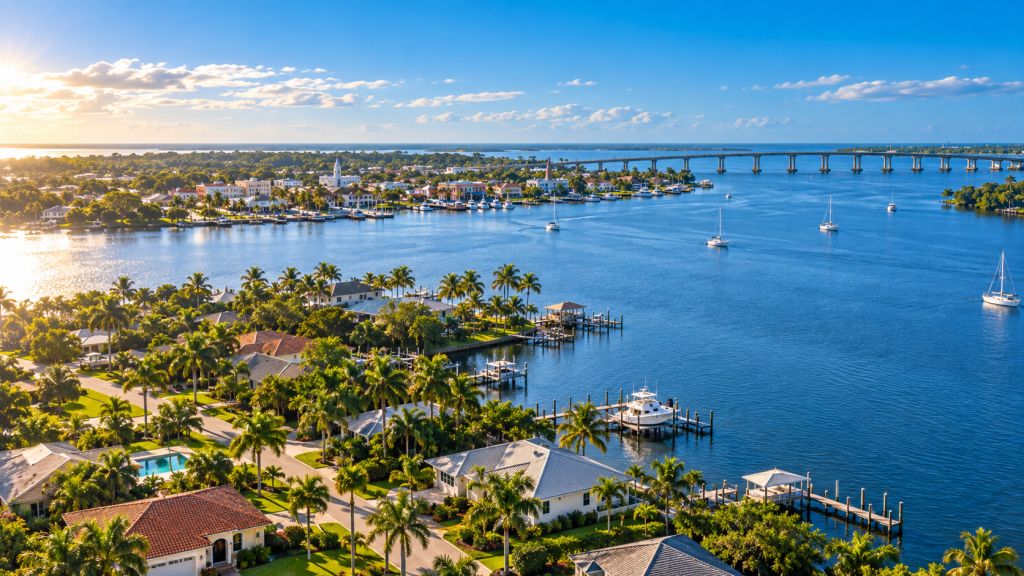
Two Urban Cores · Aerospace · Lagoon
Melbourne Is Not One Downtown Surrounded by Generic Suburbia.
The modern City of Melbourne contains multiple development histories. Historic Downtown Melbourne developed around Crane Creek and the original Melbourne settlement, while Eau Gallie evolved as its own city before Melbourne and Eau Gallie merged in 1969.
Both areas retain distinct redevelopment systems today. Melbourne maintains an active Downtown Community Redevelopment Area as well as the Olde Eau Gallie Riverfront Community Redevelopment Area.
Between and around those urban centers are established residential neighborhoods, airport-adjacent employment areas, Indian River Lagoon frontage and major corridors connecting homes with aerospace, defense, manufacturing, healthcare, education and regional transportation.
The Ligon Group therefore evaluates Melbourne residential property according to the neighborhood, municipal rules, surrounding employment and redevelopment context, water conditions and the physical asset itself.
Residential Market Structure
Four Melbourne Environments Create Different Investment Priorities.
Downtown-adjacent housing, Eau Gallie neighborhoods, airport-employment corridors and river-oriented property should not be underwritten through one citywide assumption.
Existing Neighborhoods + Urban-Core Reinvestment
Residential property around Downtown can combine older housing, compact streets, mixed-use activity, redevelopment investment and proximity to Crane Creek and the Indian River.
Historic Housing + Arts District + Riverfront
Eau Gallie combines a historic residential neighborhood, arts-oriented redevelopment, older commercial buildings, lagoon access and specialized overlay and preservation rules.
Housing Operates Beside a Major Employment Campus.
Neighborhoods around Melbourne Orlando International Airport sit near a concentration of aviation, aerospace, defense and manufacturing employers that distinguish Melbourne within the broader Space Coast.
Waterfront and Low-Lying Property Add Drainage + Flood Conditions.
Indian River Lagoon, Eau Gallie River, Crane Creek and connected drainage systems can create property-specific stormwater, elevation, shoreline and flood considerations.
City Jurisdiction · Land Use · Zoning
Melbourne Property Analysis Starts With the Municipal Parcel.
A Melbourne mailing address does not replace verification that the individual property lies within City of Melbourne jurisdiction.
For city property, Melbourne's Comprehensive Plan establishes long-range development policy while zoning determines permitted uses and parcel standards such as setbacks, density and height.
Certain properties can carry additional review because of a Community Redevelopment Area, historic designation, Art Overlay, waterfront context or formal site-plan requirements.
The Ligon Group establishes the current parcel framework before assuming that an addition, conversion, redevelopment or other improvement is feasible.
Asset + Neighborhood + Infrastructure
Aerospace Demand Does Not Replace Residential Underwriting.
Melbourne's employment base can support housing demand, but the individual residential property still has to justify the acquisition and improvement plan.
Existing homes can require roof, electrical, plumbing, HVAC, windows, structural, drainage or interior modernization. Additions, pools, accessory structures and prior conversions can create permit and setback questions.
Historic and redevelopment areas can add design review. Riverfront and low-lying property can add flood, drainage, shoreline and finished-floor-elevation issues.
The Ligon Group combines acquisition basis, physical condition, zoning, neighborhood context, redevelopment status, permit history, infrastructure and flood exposure before determining an investment strategy.
Downtown CRA · Crane Creek · Urban Reinvestment
Historic Downtown Melbourne Has Been a Formal Redevelopment District for More Than Four Decades.
The Downtown CRA creates a public-investment framework around the city's historic urban core rather than treating Downtown solely as a collection of private commercial parcels.
Downtown Redevelopment Predates the Current Space Coast Growth Cycle.
Melbourne established the Downtown CRA in 1982 after the historic business district had lost activity to newer suburban commercial development.
Streets + Sidewalks + Parking Have Been Part of the Redevelopment Strategy.
CRA investment has included streetscape work, lighting, parking infrastructure, public improvements and other projects intended to strengthen the Downtown environment.
Riverfront + Pedestrian Connections Remain Active Planning Priorities.
Current CRA priorities include improvements associated with Riverview Park, a pedestrian connection across Crane Creek and U.S. 1 streetscape work.
Housing Near Downtown Should Be Evaluated With the Changing Urban Core.
Existing homes and multifamily property near Downtown can benefit from proximity to reinvestment while still requiring conventional property, zoning and flood due diligence.
Olde Eau Gallie · Former Independent City
Eau Gallie Retains Its Own Urban Identity Inside Modern Melbourne.
Eau Gallie was a separate city before voters approved its merger with Melbourne in 1969.
Melbourne established the Olde Eau Gallie Riverfront CRA in 2001 to support redevelopment around the former downtown, Indian River waterfront and surrounding commercial and residential areas.
Public investment has included Eau Gallie Square, pier reconstruction, streetscape improvements, façade incentives, Art Overlay improvements, parking and wayfinding.
Current CRA priorities continue to include public-space, lighting, parking and Pineapple Avenue transportation improvements, reinforcing Eau Gallie's role as an active redevelopment district rather than a historic label alone.
Historic District · Art Overlay · Residential Character
Eau Gallie's Creative Identity Is Written Into Melbourne's Development Framework.
The Eau Gallie area contains both formally designated historic resources and a special Art Overlay intended to support creative activity while retaining residential neighborhood character.
Melbourne Has a Locally Designated Eau Gallie Historic District.
The district documents residential architecture extending from the late nineteenth century through the mid-twentieth century, including vernacular, bungalow, traditional and Ranch-era housing.
Local Designation Can Change the Exterior Renovation Process.
Locally designated historic property requires a Certificate of Appropriateness for applicable exterior work before the associated building permit can be issued.
Twenty-One Residential Blocks Support a Live/Work Creative Environment.
Melbourne's Eau Gallie Art Overlay applies to an existing residential area and permits limited creative, office and low-intensity commercial activity while seeking to maintain residential character.
Arts-District Branding Does Not Eliminate Residential Due Diligence.
Housing inside or near the district still requires zoning, historic-status, permit, building-condition and neighborhood compatibility analysis.
MLB Airport · Aerospace · Defense
Melbourne's Aerospace Employment Base Is Concentrated Inside the City—not Only at Kennedy Space Center.
Melbourne Orlando International Airport functions as a major aviation and employment campus in addition to its passenger-airport role.
More Than Passenger Flights Drive the Property Context.
The airport describes a daily campus population exceeding 20,000 people and an economic impact measured in billions of dollars.
Major Technology Employers Cluster Around the Airport.
The airport campus and surrounding area include companies such as Northrop Grumman, Embraer, L3Harris, Collins Aerospace, Thales and other aviation and aerospace firms.
Airport Infrastructure Is Still Being Repositioned for Additional Development.
In January 2026 the airport began removing older south-side hangars to prepare airfield property for future aviation development and modernization.
Employment Proximity Supports Demand—but Location Still Matters.
Residential property should be evaluated using commute access, neighborhood condition, roadway connections, airport proximity and individual asset quality rather than employment counts alone.
Stormwater · Indian River Lagoon · Nutrient Reduction
Melbourne Treats Stormwater as Lagoon Infrastructure.
Drainage systems in Melbourne do more than move rainfall away from streets and homes.
The city operates a stormwater utility focused in part on reducing nutrient pollution reaching the Indian River Lagoon.
Melbourne's program uses retention systems, baffle boxes, wetlands, rain gardens, exfiltration systems and drainage improvements to capture or treat runoff before pollutants reach the Lagoon.
For residential investment, this reinforces why swales, driveway culverts, lot elevation, impervious improvements, nearby waterways and neighborhood drainage should be considered as part of the physical asset.
FEMA · Elevation · River Systems
Flood Due Diligence in Melbourne Should Connect the FEMA Map to the Actual Property.
Melbourne maintains municipal flood-map and elevation-certificate resources for property-level analysis.
Begin With the Effective Flood Classification.
The mapped flood zone helps establish the regulatory and insurance context but should not be treated as the entire water-risk analysis.
Building Elevation Can Matter as Much as the Map Boundary.
Melbourne maintains elevation-certificate records that can help establish how a structure relates to applicable flood elevations.
Indian River, Crane Creek and Eau Gallie River Add Local Water Context.
Waterfront and tributary-adjacent property can require closer review of tidal influence, drainage, shoreline and finished floor elevation.
Major Improvement Can Change the Compliance Analysis.
Floodplain requirements should be understood before a major residential renovation budget is finalized.
Established Housing · Renovation · Infill
Melbourne's Existing Housing Stock Is a Separate Investment Story From New Space Coast Construction.
Older residential neighborhoods allow investment to focus on existing assets already connected to employment, roads, schools, commercial areas and urban infrastructure.
Roof + HVAC + Plumbing + Electrical Can Drive the Capital Plan.
Existing Melbourne homes should be evaluated for major system condition before cosmetic improvement assumptions are established.
Existing Improvements Should Be Compared With Permit History.
Enclosures, accessory buildings, pools, garages and other modifications can affect rehabilitation and compliance strategy.
Drainage + Mature Landscaping Are Part of the Asset.
Lot grade, tree conditions, driveways, stormwater and surrounding infrastructure can materially change the true improvement requirement.
Existing Neighborhoods Support Multiple Execution Strategies.
Depending on the individual asset, investment may involve rehabilitation, rental operation, broader repositioning or another residential strategy supported by verified property conditions.
Acquisition Through Ownership
Aerospace and Redevelopment Context Matter Only When They Connect Back to the Residential Asset.
The Ligon Group connects Melbourne zoning, Downtown and Eau Gallie redevelopment, employment, infrastructure, Lagoon and flood conditions with residential acquisition, renovation and property operations.
Begin With the Individual Property.
Condition, acquisition basis, lot configuration, ownership circumstances and existing improvements determine whether an opportunity supports deeper investment analysis.
Residential Acquisitions →District + Infrastructure Conditions Can Change Execution.
Zoning, historic status, CRA geography, airport context, drainage and flood exposure can materially affect the property strategy.
How We Evaluate Properties →Existing Homes Can Require Coordinated Building + Site Work.
Renovation may involve building systems, exterior work, drainage, landscaping and site corrections in addition to interior modernization.
Renovation & Repositioning →Market Analysis Should Connect to Real Estate Execution.
Portfolio and project activity connects market analysis with residential property The Ligon Group has acquired, improved, owned or operated.
Portfolio & Projects →Melbourne Real Estate FAQs
Direct Answers About Melbourne Real Estate Investments
Residential acquisition, zoning, redevelopment, historic, aerospace, stormwater and flood answers for Melbourne, Florida.
Does The Ligon Group invest in Melbourne real estate?
Yes. The Ligon Group evaluates residential acquisition opportunities in Melbourne as part of its Brevard County and broader Space Coast investment geography.
Does Melbourne have more than one Community Redevelopment Area?
Yes. Melbourne currently maintains the Melbourne Downtown CRA and the Olde Eau Gallie Riverfront CRA. The former Babcock Street CRA reached its sunset date in 2024.
Was Eau Gallie once a separate city?
Yes. Eau Gallie and Melbourne operated as separate cities until voters approved their merger in 1969.
Does Eau Gallie contain historic residential property?
Yes. Melbourne maintains a locally designated Eau Gallie Historic District as well as individually designated historic resources.
What is the Eau Gallie Art Overlay Zone?
It is a special overlay covering an existing residential area intended to support artist live/work activity, limited offices and low-intensity commercial uses while maintaining residential neighborhood character.
Is Melbourne Orlando International Airport an important employment center?
Yes. The airport campus supports a major concentration of aviation, aerospace, defense and manufacturing employers, making it one of Melbourne's significant employment districts.
Should stormwater and flood conditions be checked before buying Melbourne property?
Yes. Melbourne's Lagoon, rivers, tributaries and municipal drainage systems make FEMA mapping, elevation and actual lot drainage important components of residential due diligence.
Can owners and real estate professionals submit Melbourne properties?
Yes. Owners, agents, brokers, attorneys, representatives, wholesalers and other professional sources can submit residential property opportunities to The Ligon Group for consideration.
Brevard County + Space Coast Markets
Compare Melbourne With the County and Nearby Space Coast Markets.
Melbourne's two historic urban cores and airport-centered employment environment distinguish it from the county framework and neighboring residential cities.
Brevard County
Brevard County focuses on jurisdiction, concurrency, regional Space Coast employment, Lagoon wastewater systems, barrier-island regulation and coastal risk.
Brevard County Real Estate →Palm Bay
Palm Bay has a substantially different investment framework centered on Port Malabar-era platting, vacant residential lots, road and drainage infrastructure and western growth.
Palm Bay Real Estate →Cocoa
Cocoa combines historic urban neighborhoods, Cocoa Village, Indian River waterfront, redevelopment and older residential property.
Cocoa Real Estate →Rockledge
Rockledge presents an established residential and infill environment tied to U.S. 1, Indian River frontage and central Brevard employment.
Rockledge Real Estate →Melbourne Property Opportunities
Have a Residential Property in Melbourne?
Submit the property information currently available. The Ligon Group can evaluate the opportunity in the context of its physical condition, municipal zoning, Downtown or Eau Gallie redevelopment geography, historic status, employment location, stormwater conditions, flood exposure, renovation requirements, transaction circumstances and potential investment strategy.