
Treasure Coast · Florida
Martin County Real Estate Investments
The Ligon Group evaluates Martin County real estate investments across a market where municipal jurisdiction, urban service boundaries, established communities, waterfront geography, environmental resources and controlled growth materially affect residential property strategy.
A Martin County address does not by itself explain which rules govern the property. City or county jurisdiction, Future Land Use, zoning, Urban Service District location, CRA standards, wetlands, shoreline conditions, flood exposure and existing improvements can all influence acquisition and renovation decisions.
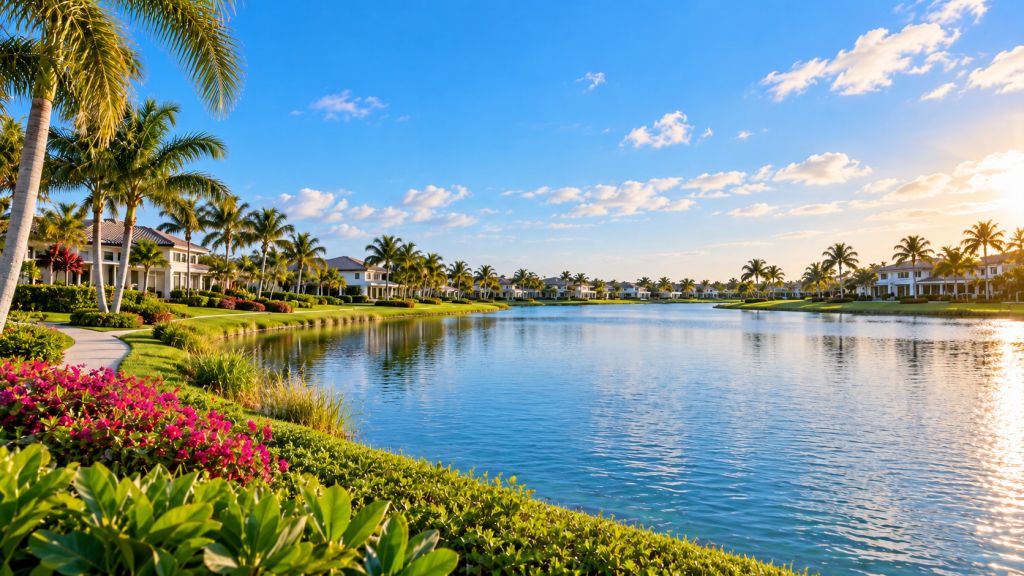
Growth Boundary · Community Character · Environmental Context
Martin County Real Estate Starts With Where Growth Is Intended to Occur.
Martin County approaches growth through a long-established Comprehensive Growth Management Plan rather than treating all land as equally available for urban development.
The county's Urban Service District framework identifies areas intended for urban development and public services while distinguishing those areas from transitional and rural land. That boundary influences infrastructure, residential capacity, future land use and the character of development throughout unincorporated Martin County.
At the same time, six Community Redevelopment Areas—Golden Gate, Hobe Sound, Jensen Beach, Old Palm City, Port Salerno and Rio—use localized redevelopment plans to strengthen existing communities rather than replacing them with one countywide development model.
The Ligon Group therefore evaluates Martin County residential property through both its individual physical condition and its position inside the county's larger growth, community, environmental and infrastructure framework.
County Market Structure
Four Martin County Environments Create Very Different Residential Investment Conditions.
Urbanized neighborhoods, transitional land, historic community centers and waterfront property should not be evaluated through the same development assumptions.
Most Urban Residential Capacity Is Concentrated Inside the Growth Boundary.
The Primary Urban Service District is the county's principal area for urban development, public facilities and services, making its land-use and infrastructure framework central to residential investment analysis.
Lower-Intensity Land Requires Different Assumptions.
The Secondary Urban Service District and surrounding rural areas include lower-density land, agricultural and recreational environments, larger parcels and development conditions that differ substantially from the eastern urban core.
Six Existing Communities Have Their Own Redevelopment Plans.
Jensen Beach, Hobe Sound, Old Palm City, Port Salerno, Rio and Golden Gate each carry distinct community character, infrastructure priorities and redevelopment standards.
Shoreline Property Adds Environmental and Resilience Due Diligence.
Ocean, Intracoastal, river and canal property can introduce flood, shoreline-protection, wetland-buffer, seawall, drainage and long-term resilience considerations.
Municipality or Unincorporated County
The First Martin County Question Is Which Government Actually Regulates the Property.
Martin County contains both incorporated municipalities and extensive unincorporated territory, and development rules are not interchangeable across those jurisdictions.
The Martin County Growth Management Department administers planning and development for unincorporated Martin County. Property inside an incorporated municipality is subject to the applicable municipal planning and zoning system instead.
Within unincorporated territory, Future Land Use establishes the broad development framework and zoning provides more specific rules governing uses, setbacks, height, site placement and other development standards.
A residential acquisition should therefore establish jurisdiction first, then verify Future Land Use, zoning, overlays, CRA requirements and site-specific environmental conditions before renovation or redevelopment assumptions are finalized.
Property + Growth Framework + Site
Countywide Growth Policy Does Not Replace Property-Level Underwriting.
A desirable Martin County community can strengthen an investment thesis, but the individual residential asset still has to work.
Existing homes can require roof, electrical, plumbing, HVAC, window, structural, septic, drainage or interior modernization. Waterfront property can add seawall and shoreline questions. Undeveloped or larger sites can introduce wetlands, native habitat and preserve requirements.
A property may also sit inside a CRA, a planned development, an HOA or a municipality with rules that operate in addition to the broader county context.
The Ligon Group combines acquisition basis, property condition, jurisdiction, land use, zoning, Urban Service District location, environmental resources, infrastructure, flood conditions and renovation scope before determining the appropriate investment strategy.
Growth Boundary · Infrastructure · Residential Capacity
Martin County Directs Urban Growth Through Its Urban Service District System.
The Urban Service District is one of the most important concepts for understanding unincorporated Martin County real estate.
Martin County established its Urban Service District through the Comprehensive Plan to identify land appropriate for urban development and the public facilities and services needed to support it.
The Primary Urban Service District contains the principal urbanized development area. The Secondary Urban Service District recognizes a transition between the primary urban area and more rural lands and includes different land-use and infrastructure conditions.
The county's current residential-capacity analysis continues to evaluate available housing capacity through these service districts, reinforcing that the growth boundary remains an active planning tool rather than a historical designation.
Six Communities · Six Local Identities
Martin County Uses Redevelopment to Strengthen Existing Places Rather Than Erase Their Differences.
The county's six CRA districts each have their own redevelopment plan and neighborhood priorities, producing a more localized approach to reinvestment.
Walkable Town Centers + Distinctive Local Character
Jensen Beach emphasizes pedestrian activity, mixed uses, Florida vernacular character and active streets, while Hobe Sound focuses on reinforcing its small-town identity and strengthening Bridge Road as a pedestrian-oriented main street.
Infrastructure Investment Is Reconnecting Historic Communities.
Old Palm City has invested in Mapp Road, sidewalks, bicycle facilities and neighborhood connections, while Rio combines waterfront geography with sewer, water and roadway improvements intended to support a stronger town center.
Working Waterfront Identity Shapes Redevelopment.
Port Salerno's commercial core remains tied to the waterfront and Martin County's remaining commercial fishing activity, with public-boardwalk and infrastructure investment supporting that existing identity.
Utility Infrastructure Is Part of the Reinvestment Thesis.
Golden Gate's redevelopment strategy combines neighborhood investment with stormwater improvements and septic-to-sewer conversion, making infrastructure conditions especially relevant to property analysis.
Wetlands · Uplands · Preserve Areas
Environmental Resources Can Directly Change Martin County Development Capacity.
Martin County's environmental regulations make site conditions a material part of residential development and acquisition due diligence.
The county protects wetlands, shoreline resources, native upland habitats and previously established preserve areas. Undeveloped land may require on-site environmental evaluation rather than relying only on a map or visual inspection.
Wetland buffers and construction setbacks can apply, and sites containing protected wetlands or native uplland habitat may require a Preserve Area Management Plan as part of development approval.
For larger parcels, infill sites or residential redevelopment, environmental constraints should therefore be established before assuming usable acreage, building placement or future development potential.
Rivers · Canals · Intracoastal · Atlantic
Martin County Waterfront Property Requires More Than a Conventional Rear Setback Check.
Waterfront parcels can combine zoning setbacks with environmental Shoreline Protection Zones, wetland buffers, flood conditions, seawall requirements and site-specific access limitations.
Environmental Protection Areas Can Operate Separately From Zoning Setbacks.
Waterfront lots on navigable waterways can contain Shoreline Protection Zones or wetland buffers whose requirements depend partly on parcel history, lot size and environmental conditions.
Direct Waterfront Access Does Not Eliminate Resource Protection.
Where mangroves or other shoreline wetlands are present, access and construction can be limited so protected resources are avoided or minimized.
Shoreline Work Has Its Own Review and Permit Path.
New seawalls and other shoreline-stabilization improvements can require environmental evaluation, surveys, erosion-control information and separate construction permitting.
Future Water Conditions Are Part of County Planning.
Martin County actively studies sea-level rise, shoreline vulnerability, flooding and resilience, making long-term coastal conditions relevant to waterfront ownership.
21 Miles of Beaches · 161 Miles of Shoreline
Flood Exposure in Martin County Extends Beyond the Oceanfront.
Coastal flood risk, rivers, estuaries, canals and low-lying areas create different flood conditions across the county, requiring address-level due diligence.
FEMA Designation Should Be Verified for the Individual Property.
Martin County provides property-level flood-zone resources, and FEMA's current coastal mapping incorporates storm-surge and wave-hazard analysis for the county.
Thousands of Parcels Interface Directly With Water.
The county's extensive coastline, estuary and river systems make shoreline condition and water exposure relevant well beyond conventional oceanfront homes.
Resilience Planning Looks Beyond Today's Flood Map.
Martin County's resilience program evaluates future sea-level scenarios and vulnerable infrastructure so long-term risks can inform public planning decisions.
Water Risk Belongs in the Property Budget.
Drainage, elevation, shoreline improvements, insurance context and site work can materially affect the cost of owning or repositioning waterfront and flood-exposed property.
Acquisition Through Ownership
County-Level Planning Knowledge Matters Only When It Connects Back to the Residential Asset.
The Ligon Group connects Martin County growth, community, environmental and waterfront context with residential acquisition, renovation and real-property activity.
Start With the Property and Acquisition Basis.
Condition, lot configuration, ownership circumstances, existing improvements and location determine whether an opportunity supports deeper analysis.
Residential Acquisitions →Jurisdiction + Site Conditions Can Change the Investment Case.
Urban Service District, Future Land Use, zoning, CRA, wetlands, shoreline, flood and infrastructure conditions may materially affect execution.
How We Evaluate Properties →Renovation Scope Should Reflect Building + Site Conditions.
Existing residential property can require coordinated building, septic, drainage, shoreline or site improvements in addition to interior modernization.
Renovation & Repositioning →Real Property Activity Connects Analysis With Execution.
Portfolio and project activity connects market analysis with residential property The Ligon Group has acquired, improved, owned or operated.
Portfolio & Projects →Martin County Real Estate FAQs
Direct Answers About Martin County Real Estate Investments
Residential acquisition, jurisdiction, growth-boundary, environmental, redevelopment and waterfront answers for Martin County, Florida.
Does The Ligon Group invest in Martin County real estate?
Yes. The Ligon Group evaluates residential acquisition opportunities throughout Martin County as part of its Treasure Coast investment geography.
What is Martin County's Urban Service District?
It is a growth boundary established through the county's Comprehensive Plan to identify areas intended for urban development and public facilities and services.
What is the difference between the Primary and Secondary Urban Service Districts?
The Primary district is the principal urban service and development area. The Secondary district provides a transition between the primary urbanized area and more rural lands and carries different land-use and service conditions.
How many Community Redevelopment Areas does Martin County have?
Martin County currently has six CRA communities: Golden Gate, Hobe Sound, Jensen Beach, Old Palm City, Port Salerno and Rio.
Are wetlands protected in Martin County?
Yes. Martin County protects wetlands and certain native upland habitats, and development can require buffers, construction setbacks and a Preserve Area Management Plan depending on site conditions.
Does waterfront property have rules beyond ordinary zoning setbacks?
Yes. Navigable waterfront property can contain Shoreline Protection Zones or wetland buffers that operate separately from conventional zoning setbacks and can restrict construction near the water.
Does the county regulate property inside the City of Stuart?
Martin County administers growth-management rules for unincorporated county property. Property inside an incorporated municipality is also subject to that municipality's own planning and zoning authority.
Can owners and real estate professionals submit Martin County properties?
Yes. Owners, agents, brokers, attorneys, representatives, wholesalers and other professional sources can submit residential property opportunities to The Ligon Group for consideration.
Treasure Coast Residential Markets
Move From the Martin County Framework Into Its Local Markets and the Larger Treasure Coast.
County-level planning establishes the broad framework, while individual cities and communities require more localized residential analysis.
Stuart
Stuart operates through its own municipal planning and development system, with Downtown, waterfront, established neighborhoods and flood conditions requiring city-specific analysis.
Stuart Real Estate →Jensen Beach
Jensen Beach combines an established residential community, pedestrian-oriented CRA planning, Indian River access and nearby barrier-island property.
Jensen Beach Real Estate →St. Lucie County
St. Lucie County presents a different growth environment, including Port St. Lucie expansion, Fort Pierce, larger residential growth areas and its own county planning system.
St. Lucie County Real Estate →Treasure Coast
Explore the broader regional framework connecting Martin, St. Lucie and Indian River counties within The Ligon Group's Treasure Coast investment geography.
Treasure Coast Real Estate →Martin County Property Opportunities
Have a Residential Property in Martin County?
Submit the property information currently available. The Ligon Group can evaluate the opportunity in the context of its physical condition, jurisdiction, Urban Service District, Future Land Use, zoning, CRA geography, environmental resources, shoreline and flood conditions, renovation requirements, transaction circumstances and potential investment strategy.