
Ownership · Maintenance · Residents · Capital Planning
Rental Property Operations
A residential rental property remains an operating asset long after acquisition and renovation are complete. Roofs age, mechanical systems wear, plumbing develops leaks, exterior components deteriorate and residents need reliable ways to report conditions before small problems become larger ones.
The Ligon Group views rental property operations as the ongoing coordination of the building, the resident experience, maintenance, documentation and capital planning required to preserve a residential asset over time.
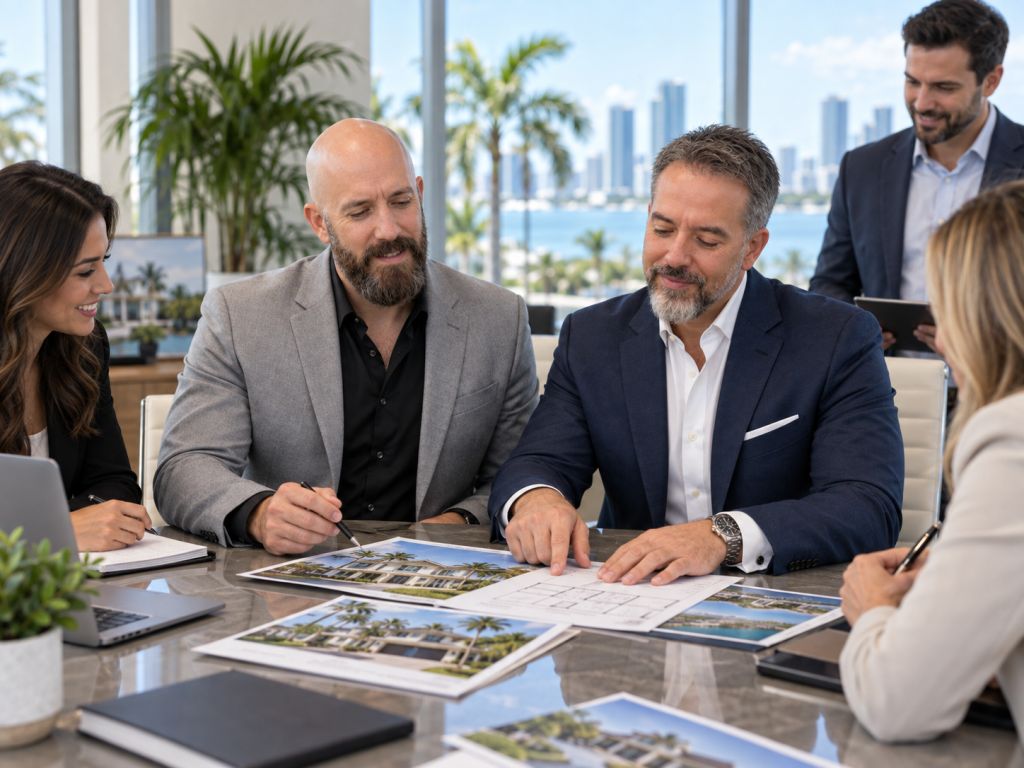
Ownership Begins After Closing
Rental Property Performance Is Built Between Major Renovations.
Renovation can reset the physical condition of a residential property. Operations determine how well that condition is preserved afterward.
Every rental home contains components with different useful lives, maintenance requirements and failure patterns. HVAC equipment needs service. Roofs and exterior sealants need observation. Plumbing leaks need early attention. Drainage must continue moving water away from the structure.
Resident communication matters because the people occupying the property often become the first source of information when a system stops functioning normally.
Good operations therefore combine physical property management with organized information, timely response and long-term capital planning.
Residential Operating Framework
Four Systems Work Together to Protect a Rental Property.
Strong property operations require more than collecting rent and responding when something breaks.
Physical Asset
Roof, structure, plumbing, electrical, HVAC, windows, exterior surfaces, drainage and other building components continue aging throughout ownership.
Communication + Service
Clear communication and usable maintenance-reporting channels help property conditions reach the owner or manager before avoidable damage becomes more severe.
Documentation
Work orders, invoices, photographs, inspections, lease documents and replacement histories create institutional knowledge about the property.
Future Requirements
Major systems eventually require replacement. Asset ownership becomes more predictable when expected capital needs are identified before failure forces the decision.
Observe · Respond · Record · Plan
Strong Rental Operations Create a Continuous Property Feedback Loop.
The property produces information throughout the tenancy. Inspections reveal conditions. Residents report problems. Contractors identify deterioration. Utility or service history can expose repeating issues.
That information becomes valuable when it is recorded and used to make future maintenance and capital decisions.
A recurring issue should not remain a recurring surprise.
Not Every Work Order Has the Same Priority
Maintenance Triage Should Consider Safety, Damage and Habitability First.
A broken cabinet hinge and active water intrusion both require attention, but they do not represent the same risk to the resident or the property.
Operating systems should help distinguish emergency conditions, conditions capable of causing additional property damage, habitability or essential-service issues and routine maintenance.
Prioritization helps direct attention and resources toward the problems that can become materially worse when delayed.
Immediate Property Risk
Active leaks, electrical hazards, loss of critical services, security failures and other urgent conditions can require rapid response to protect people and property.
Routine Property Maintenance
Non-emergency repairs should still be organized, tracked and completed so deferred minor issues do not accumulate into larger physical or resident-service problems.
Inspection · Maintenance · Access
Property Access Should Have a Purpose and a Process.
Rental ownership requires balancing the resident's possession of the home with the owner's need to inspect, maintain and preserve the property.
Florida law identifies circumstances in which a landlord may enter a dwelling for inspection, repairs, agreed services and other legitimate purposes and establishes notice requirements for repair access in ordinary circumstances.
Operationally, planned inspections and maintenance visits should be organized around a clear purpose rather than unnecessary access.
Repair Today · Replace Tomorrow
Every Major Building System Eventually Becomes a Capital Decision.
Repairs and replacements are not interchangeable.
A functioning system may still be approaching the end of its practical useful life. Repeated repairs can sometimes cost less in the short term while creating more expense and disruption over time.
Operating history helps identify when an owner should stop treating a condition as maintenance and begin planning for replacement.
Between Tenancies
Turnover Is an Inspection Opportunity—not Just a Cleaning Period.
Vacancy provides access to areas and systems that can be harder to evaluate thoroughly while the property is occupied.
Evaluate the Whole Property
Review interior conditions, exterior surfaces, fixtures, appliances, plumbing, mechanical systems and visible signs of water or deterioration.
Correct Deferred Conditions
Turnover is an opportunity to address maintenance that should not be carried unnecessarily into the next tenancy.
Establish a New Baseline
Photographs and documented condition at turnover create a clearer starting point for future maintenance and property records.
Complete Capital Work When Access Is Easier
Planned replacements or improvements may be less disruptive when completed while the property is vacant.
Florida Residential Tenancies
Rental Operations Also Include Legal and Documentation Responsibilities.
Physical maintenance is only one part of operating residential rental property in Florida.
Chapter 83 of the Florida Statutes addresses residential tenancy matters including maintenance obligations, deposit and advance-rent handling, landlord access, notices and other landlord-tenant responsibilities.
Federal requirements can also apply, including fair housing protections and lead-based-paint disclosure requirements for many residential properties built before 1978.
Rental-property operating procedures should therefore be based on the actual property, tenancy and current applicable law rather than assumptions carried from a different jurisdiction or property type.
Florida Landlord-Tenant Requirements
Maintenance, deposit handling, access and notice procedures are operational matters as well as legal ones because they affect how the property and tenancy are administered.
Federal Housing Requirements
Housing operations must also account for applicable federal requirements, including fair housing protections and property-specific disclosure rules.
Rental Property Operations FAQs
Direct Answers About Residential Rental Property Operations
Maintenance, inspections, turnover, capital planning and Florida rental-property responsibilities.
What is rental property operations?
Rental property operations is the ongoing management of the physical asset, maintenance, resident communication, documentation, turnover and capital requirements associated with owning residential rental property.
What is the difference between preventive and reactive maintenance?
Reactive maintenance responds after a problem occurs. Preventive maintenance attempts to identify or address deterioration before a system fails or causes additional property damage.
Why should maintenance history be documented?
Maintenance history helps identify recurring failures, previous repairs, contractor costs and systems that may be approaching replacement rather than another repair.
Why are turnover inspections important?
Turnover provides an opportunity to inspect the property without normal occupancy limitations, address deferred maintenance and create a documented baseline before the next tenancy begins.
What must a Florida landlord maintain?
Florida law requires landlords to comply with applicable building, housing and health codes and establishes additional maintenance obligations under Chapter 83. Exact responsibilities can depend on the property type, rental agreement and applicable local requirements.
Can a Florida landlord enter a rental property for repairs?
Florida law permits landlord access for legitimate purposes including inspection and necessary or agreed repairs, subject to the circumstances and notice requirements established by law.
Does fair housing law apply to rental-property operations?
Yes. The federal Fair Housing Act prohibits housing discrimination on specified protected grounds, and fair housing compliance affects advertising, applicant handling, leasing and the provision of housing-related services.
Does Florida require rental flood disclosure?
Florida law requires a separate flood disclosure at or before execution of a residential rental agreement with a term of one year or longer, containing specified information about known property flood history.
The Residential Ownership Lifecycle
Rental Operations Continue the Work Started During Acquisition and Renovation.
Explore how the asset is acquired, improved and operated across the full residential ownership lifecycle.
Acquisition Insights
Understand how property condition and future operating requirements affect acquisition decisions.
Acquisition Insights →Renovation & Repositioning Insights
Explore how residential buildings are investigated, renovated, sequenced and repositioned before or during long-term ownership.
Renovation Insights →Property Operations
Explore The Ligon Group's broader ownership and property operations platform.
Property Operations →Resident Resources
Current residents can access the dedicated resident area for property-related resources and communication.
Resident Resources →Own the Property Beyond the Renovation.
Long-Term Real Estate Performance Requires Long-Term Property Attention.
A residential asset continues changing throughout ownership. Preventive maintenance, resident communication, documentation and capital planning help identify those changes early and preserve the value of the property over time.