
Treasure Coast · Indian River County
Vero Beach Real Estate Investments
The Ligon Group evaluates Vero Beach real estate investments across an established coastal city where historic mainland neighborhoods, Downtown reinvestment, Indian River Lagoon waterfront, barrier-island property and long-standing limits on development intensity create highly localized residential investment conditions.
Vero Beach requires municipal-level property analysis. Zoning, historic status, Downtown or waterfront planning, building height and density controls, utility infrastructure, flood elevation, coastal conditions and renovation scope can all materially affect the strategy for an individual residential property.
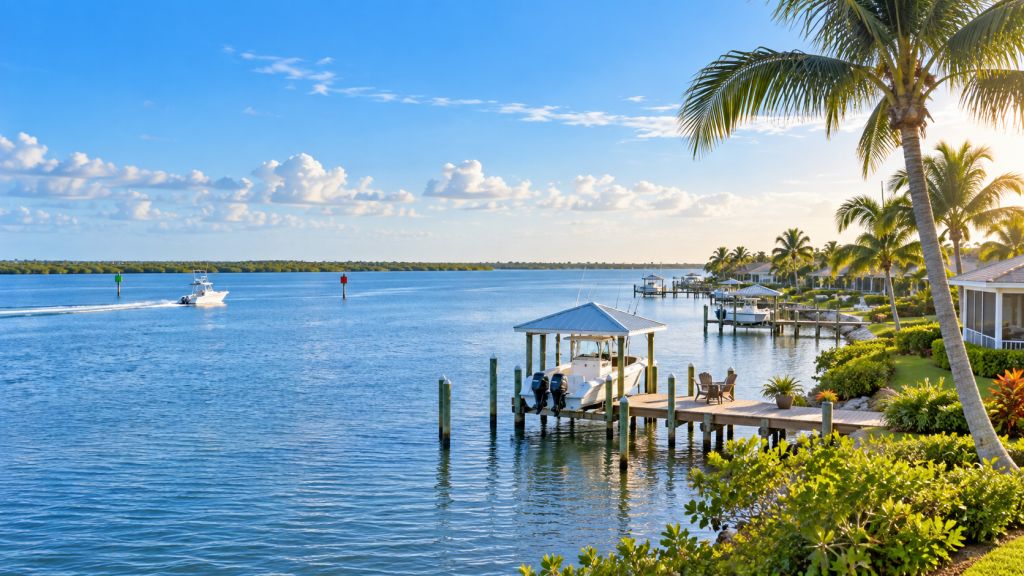
Mainland · Lagoon · Barrier Island
Vero Beach Is a Small City With Several Very Different Residential Development Environments.
Vero Beach spans both sides of the Indian River Lagoon. Its municipal geography includes established mainland neighborhoods, the historic Downtown core, lagoon-front property and a portion of the Atlantic barrier island.
Those areas did not develop under identical conditions. Downtown retains a historic street grid and smaller-scale urban fabric, established mainland neighborhoods contain housing from multiple development periods, and beachside property operates within a much more constrained coastal environment.
Vero Beach also has a long history of actively controlling development intensity. Modern city planning continues to place significant emphasis on height, density, building form, landscaping, trees, lagoon protection, beach protection and neighborhood compatibility.
The Ligon Group therefore approaches Vero Beach at the property-and-district level rather than relying on one citywide residential assumption.
Residential Market Structure
Four Vero Beach Settings Create Different Investment Priorities.
Historic mainland housing, Downtown-adjacent property, lagoon-front property and barrier-island housing should not be evaluated through one uniform residential model.
Existing Neighborhoods + Older Housing + Preservation
Established mainland neighborhoods can contain older homes, historic resources, compact street grids and existing infrastructure where renovation and compatibility matter more than greenfield development assumptions.
Housing Is Becoming a Larger Part of the Urban-Core Strategy.
Downtown planning is encouraging additional residential activity while attempting to preserve the walkable scale, historic character and existing neighborhoods surrounding the commercial core.
Indian River Property Adds Environmental + Flood Context.
Lagoon-front property can introduce shoreline, drainage, flood elevation, dock, vegetation and water-quality considerations alongside normal residential zoning.
Beachside Housing Operates Under a More Constrained Coastal Model.
Atlantic-side and barrier-island property adds wind, storm surge, floodplain, evacuation, beach-protection and height considerations that differ from most mainland neighborhoods.
City Jurisdiction · Future Land Use · Zoning
A Vero Beach Mailing Address Does Not Automatically Mean the Property Is Governed by the City.
The municipal boundary should be confirmed before city zoning assumptions are made.
For property inside Vero Beach, the Comprehensive Plan establishes long-range land-use policy while the zoning code regulates permitted uses, setbacks, building height, lot coverage, building mass and other development standards.
Additional requirements can arise from historic designation, Downtown geography, environmental regulations, waterfront conditions or special development districts.
The Ligon Group starts with the actual parcel, confirms jurisdiction and then evaluates the complete municipal and physical context before determining property strategy.
Asset + District + Water + Capital
Vero Beach Character Adds Context—but the Residential Asset Still Has to Work.
Historic architecture, walkability or waterfront location can support value, but none eliminates property-level risk.
Older housing can require roof, plumbing, electrical, HVAC, window, structural, drainage and interior modernization. Historic designation can change the approval process for certain exterior improvements.
Beachside or lagoon property can add flood, elevation, shoreline, landscape and environmental requirements. Existing wastewater systems can create separate infrastructure questions.
The Ligon Group combines acquisition basis, physical condition, zoning, historic status, development district, utility configuration, flood conditions and renovation requirements before determining an investment strategy.
Local Register · National Register · Osceola Park
Vero Beach Has a Formal Preservation System for Individual Buildings and Historic Neighborhood Fabric.
Historic-property analysis in Vero Beach should be based on actual designation and local review requirements rather than simply the age of the building.
Residential Property Can Carry Local Historic Designation.
The city's Local Register includes individually designated houses as well as civic, commercial and cultural resources.
Vero Beach Has a Nationally Recognized Historic Residential District.
Osceola Park Historic District is listed on the National Register and forms part of the city's documented historic residential landscape.
Certain Exterior Work Requires a Historic Review Path.
Locally designated historic property can require a Certificate of Appropriateness for alterations, additions, new construction or demolition.
Historic Character Should Be Verified Before Exterior Scope Is Priced.
Designation, existing materials, visible alterations and neighboring streetscape should be understood before assuming a conventional exterior renovation program.
Downtown Master Plan · Housing · 2026 Implementation
Downtown Vero Beach Is Moving Toward More Housing Without Abandoning Its Historic Urban Scale.
The city adopted the Ideas for Downtown Master Plan in July 2024 and is now working through the regulatory changes needed to implement it.
Downtown's historic 14th Avenue corridor remains the walkable commercial core, while adjacent residential neighborhoods and existing historic buildings are treated as assets within the larger redevelopment strategy.
The Master Plan supports additional housing, reuse of existing buildings, revised parking and stormwater approaches, and regulatory changes intended to make residential development more feasible in and around the urban core.
In 2026, however, implementation is still an active policy and code process. Existing adopted zoning remains the basis for current property analysis until amendments complete the formal adoption process.
City Charter · Height · Density
Development Intensity in Vero Beach Has Long Been a Public Policy Issue—not Just a Zoning Staff Decision.
Vero Beach's Charter places unusual importance on voter control over certain increases in building height and density.
City Council Does Not Have Unlimited Authority to Increase Height or Density.
Section 5.06 of the City Charter restricts increases beyond defined historical zoning limits unless approved through a city referendum.
Building Scale Has Been a Major Local Issue for Decades.
Vero Beach's modern zoning framework was shaped in part by controversy over taller beachside buildings, leading to stricter height, density and intensity controls.
More Housing Requires More Than a Master-Plan Recommendation.
Downtown implementation requires the city to coordinate Charter limitations, Comprehensive Plan amendments and Land Development Regulation changes rather than simply approving additional density administratively.
Never Underwrite Future Density Before It Is Legally Available.
Residential investment should be based on current parcel rights while future planning initiatives are evaluated as separate potential upside rather than present entitlement.
Three Corners · Indian River Waterfront
Three Corners Has Progressed From a Waterfront Concept Into an Adopted Development District.
The former municipal utility sites near the 17th Street Bridge represent one of Vero Beach's most significant long-term waterfront redevelopment initiatives.
Vero Beach incorporated the Three Corners Master Concept Plan into its Comprehensive Plan in 2024.
In August 2025, the city adopted specific Three Corners Waterfront District regulations into its Land Development Regulations, establishing a formal zoning framework intended to implement the adopted waterfront vision.
The project is primarily a city-owned waterfront redevelopment initiative rather than a conventional residential subdivision, but its evolution can materially influence surrounding access, public space, waterfront activity and nearby residential context.
Lagoon · Beach · Trees · Landscaping
Vero Beach Regulates the Environmental Character Around Development as Well as the Building Itself.
Current city development regulations include dedicated protections for trees, landscaping, the Indian River Lagoon and the Atlantic beach environment.
Indian River Waterfront Development Carries Environmental Requirements.
Site planning near the lagoon should account for current environmental regulations in addition to conventional zoning and shoreline conditions.
Atlantic-Side Property Operates Within a Separate Coastal Context.
Beachside improvement can intersect with municipal environmental standards, floodplain requirements and broader state coastal-construction rules.
Existing Site Vegetation Can Affect Improvement Scope.
Current city regulations protect qualifying trees and palms, making site clearing and landscape redesign part of property due diligence.
Exterior Repositioning Can Require More Than Building Work.
Landscape and site-design requirements should be considered when substantial redevelopment or site-plan review is part of the property strategy.
STEP System · Sewer Conversion · Lagoon Water Quality
Wastewater Infrastructure Can Be a Property-Level Issue in Vero Beach.
Vero Beach has used Septic Tank Effluent Pump systems as part of a broader strategy to reduce septic-related nutrient impacts on the Indian River Lagoon.
The city maintains an active STEP program, mapping, installation standards and current connection information for affected properties.
Utility work remained active in 2026, including additional barrier-island STEP planning and construction activity.
Investors should therefore verify whether a residential property is served by conventional sewer, STEP infrastructure or another wastewater configuration and whether connection or improvement costs should be included in the capital plan.
Atlantic Ocean · Indian River Lagoon · Floodplain
Vero Beach Has Flood Exposure From Both Sides of Its Coastal Geography.
The city's flood environment includes heavy rainfall, coastal storms, tidal surge, the Atlantic Ocean, the Indian River Lagoon and associated waterways.
Barrier-Island Housing Requires Coastal Flood Analysis.
Ocean-side property should be evaluated for storm surge, FEMA flood designation, elevation and coastal building conditions in addition to wind exposure.
Mainland and Barrier-Island Waterfront Can Both Face Tidal Conditions.
Indian River Lagoon frontage can introduce tidal flooding, shoreline, dock, drainage and finished-floor-elevation considerations.
Flood Risk Is Not Limited to Direct Waterfront Property.
Short-duration heavy rainfall and neighborhood drainage can create property-level water issues even away from the Atlantic shoreline.
Historic Flood Information Can Improve Renovation Underwriting.
The city maintains flood-zone resources and elevation certificates for many structures, allowing the asset to be evaluated with more than a simple map lookup.
Existing Housing · Renovation · Repositioning
Vero Beach's Existing Housing Creates an Investment Strategy Different From New Coastal Construction.
Established residential property often combines building age, neighborhood character and site conditions that require coordinated improvement rather than cosmetic renovation alone.
Roof + HVAC + Plumbing + Electrical Can Drive the Capital Plan.
Older residential assets should be evaluated for major building-system condition before finishes and resale assumptions are established.
Renovation Should Respond to the Existing Neighborhood.
Building scale, roof form, exterior materials, landscaping and streetscape can matter particularly in older and historically significant residential areas.
Utilities + Drainage Can Change the True Rehabilitation Cost.
Wastewater configuration, water service, lot drainage and site improvements should be reviewed alongside the building itself.
The Investment Thesis Should Fit the Existing Asset.
Property strategy may involve restoration, modernization, rental operation, broader repositioning or another execution path depending on condition and verified parcel context.
Acquisition Through Ownership
Local Planning Knowledge Matters Only When It Connects Back to the Residential Asset.
The Ligon Group connects Vero Beach zoning, historic context, Downtown planning, utilities, waterfront and flood conditions with residential acquisition, renovation and property operations.
Begin With the Individual Property.
Condition, acquisition basis, lot configuration, ownership circumstances and existing improvements determine whether an opportunity supports deeper investment analysis.
Residential Acquisitions →Municipal + Coastal Context Can Change Execution.
Zoning, historic status, planning district, utilities, environmental regulations and flood exposure can materially affect the property strategy.
How We Evaluate Properties →Older Coastal Housing Can Require Building + Site Modernization.
Renovation may involve major systems, historic-sensitive exterior work, utilities, drainage and flood considerations in addition to interiors.
Renovation & Repositioning →Market Analysis Should Connect to Actual Real Estate Execution.
Portfolio and project activity connects market analysis with residential property The Ligon Group has acquired, improved, owned or operated.
Portfolio & Projects →Vero Beach Real Estate FAQs
Direct Answers About Vero Beach Real Estate Investments
Residential acquisition, historic-property, Downtown, waterfront, utility and flood answers for Vero Beach, Florida.
Does The Ligon Group invest in Vero Beach real estate?
Yes. The Ligon Group evaluates residential acquisition opportunities in Vero Beach as part of its Indian River County and broader Treasure Coast investment geography.
Does Vero Beach have locally designated historic properties?
Yes. The city maintains a Local Register of Historic Places and a Historic Preservation Commission responsible for its ongoing preservation program.
Is Osceola Park historically recognized?
Yes. Osceola Park Historic District is listed on the National Register of Historic Places and is part of Vero Beach's documented historic residential landscape.
Is Downtown Vero Beach being redeveloped?
The city adopted a Downtown Master Plan in 2024 and is implementing it through a multi-year process involving Comprehensive Plan, zoning, parking, stormwater and other regulatory changes.
What is Three Corners in Vero Beach?
Three Corners is a major city-owned Indian River waterfront redevelopment area near the 17th Street Bridge. Its Master Concept was incorporated into the Comprehensive Plan and the city adopted specific Waterfront District regulations in 2025.
Does Vero Beach regulate development near the lagoon and beach?
Yes. Current city development regulations include dedicated tree, landscaping, lagoon and beach-protection standards in addition to zoning and floodplain requirements.
Should wastewater and STEP-system status be checked before buying?
Yes. Vero Beach maintains an active STEP wastewater program, so residential utility configuration and any applicable connection requirements should be verified at the property level.
Can owners and real estate professionals submit Vero Beach properties?
Yes. Owners, agents, brokers, attorneys, representatives, wholesalers and other professional sources can submit residential property opportunities to The Ligon Group for consideration.
Indian River County + Treasure Coast Markets
Compare Vero Beach With the County and Nearby Treasure Coast Markets.
Vero Beach's municipal, historic and coastal framework differs from both county-regulated property and Sebastian's northern Indian River market.
Indian River County
The county page focuses on the Urban Service Boundary, municipal versus unincorporated jurisdiction, conservation, septic-to-sewer infrastructure and regional coastal risk.
Indian River County Real Estate →Sebastian
Sebastian combines established mainland neighborhoods, municipal planning, St. Sebastian River geography and Indian River Lagoon waterfront conditions.
Sebastian Real Estate →St. Lucie County
St. Lucie County operates through a different growth system centered on municipal expansion, Future Land Use, rural-growth policies and major infrastructure planning.
St. Lucie County Real Estate →Treasure Coast
Explore the broader investment geography connecting Martin, St. Lucie and Indian River counties.
Treasure Coast Real Estate →Vero Beach Property Opportunities
Have a Residential Property in Vero Beach?
Submit the property information currently available. The Ligon Group can evaluate the opportunity in the context of its physical condition, municipal zoning, historic status, Downtown or waterfront geography, utility configuration, environmental requirements, flood exposure, renovation scope, transaction circumstances and potential investment strategy.